

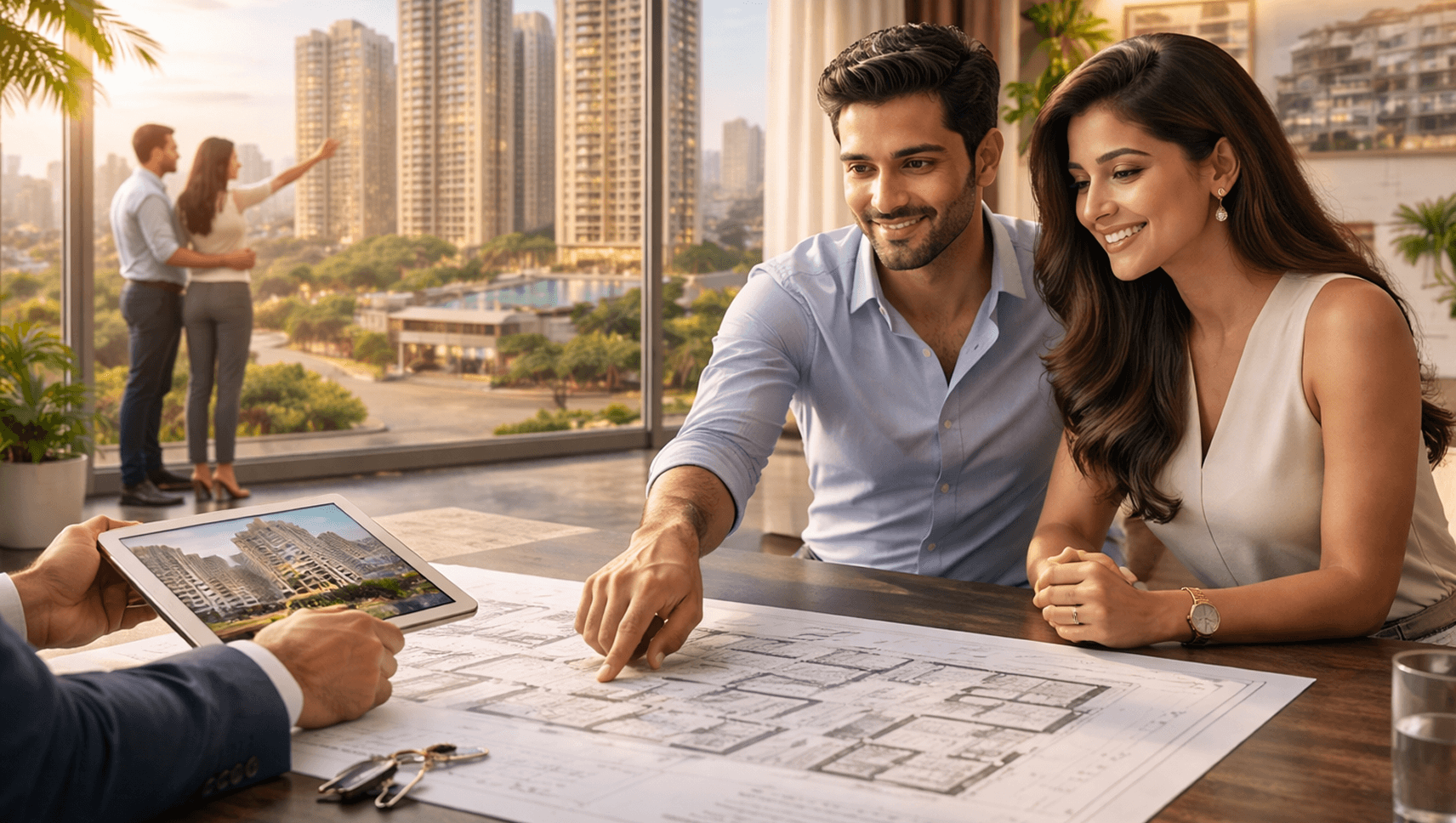
The Complete Home Buying Process Explained: From Site Visit to Registratio
Buying your first home is an exciting, emotional, and slightly overwhelming experience, all at the same time. One day, you are casually browsing listings, and the next, you are discussing legal clauses and loan eligibility. Many first-time buyers discover that the home-buying process in India involves far more than choosing a nice layout and a good location.
There are multiple stages, each of which is important in its own way, and skipping one can lead to stress later. This guide walks you through the entire journey, step by step, exactly as it is explained in this blog. By the end, you will feel far more confident and prepared.
Shortlisting the Right Property
Start by identifying your non-negotiables. The location, budget, carpet area, and connectivity usually top the list. Additionally, look into the builder’s past projects and delivery record. Many buyers get emotionally attached during a site visit and ignore red flags they would have spotted earlier with basic research.
Check whether the project is RERA registered and matches what is advertised. Keep a simple buyer checklist with questions about possession timelines, maintenance charges, and amenities. This early clarity makes the home-buying process far smoother.
Budget Planning and Financial Readiness
Be realistic about what you can afford. Apart from the property value, factor in stamp duty, property registration charges, GST if applicable, interiors, and moving costs. You might find that a slightly lower-priced home leaves more room for comfort later. If a home loan is required, get a basic eligibility check done early so expectations stay grounded.
What to Check Inside the Property?
Pay attention to natural light, ventilation, room proportions, and actual carpet area. Open cupboards, check wall finishes, and ask about fittings included in the price. For instance, many buyers assume modular kitchens are standard, only to realize later that they are optional.
Also, ask to see the exact unit location, not just the show flat. The real apartment may face a road, transformer, or neighboring building that affects comfort.
What to Observe Around the Project?
Step outside the project and observe road access, traffic flow, and surrounding construction activity. Check drainage, street lighting, and general infrastructure conditions. Visit the area at different times of day. A calm afternoon may become noisy by evening. These small, practical observations strongly influence long-term comfort, resale value, and overall satisfaction with your home purchase, decisions, and future peace.
Legal Verification and Property Documentation
This stage protects you from future disputes and should never be rushed. Key property documentation includes the title deed, approved building plans, commencement certificate, and occupancy certificate for ready homes. For under-construction projects, check land ownership papers and development agreements. If terms like sale deed and conveyance sound confusing, that is normal.
This is where a property lawyer earns their fee. Many buyers make the mistake of trusting verbal assurances; always insist on written clarity. Even experienced investors rely on legal experts. A lawyer ensures the sale deed is clean, ownership is clear, and there are no hidden encumbrances. This step may feel tedious, but it is one of the most important parts of the home-buying process.
Negotiation and Agreement Essentials
There is room for negotiation, especially on payment plans, parking charges, or floor rise premiums, and flexible payment milestones can ease cash flow even if the base price stays unchanged. Be polite, informed, and firm, since builders respond better to serious buyers who understand market realities. Once terms are aligned, focus on the agreement to sell.
This document defines payment schedules, possession dates, penalties, and specifications. Read every clause carefully, as delay penalties are often one-sided. Always clarify exit clauses and refund terms before signing.
Home Loan Processing Explained
If you are financing your purchase, this stage runs parallel to legal checks. Banks evaluate your income, credit score, and the project’s legal status. This dual check benefits you as well. A bank refusing a project is often a warning sign. Keep all documents organized to avoid delays.
Loan disbursement usually happens in stages linked to construction progress. Coordinate closely with the builder so payments align correctly. Miscommunication here can cause unnecessary stress during the home-buying process.
Sale Deed Preparation and Execution
This document legally transfers ownership to you. The sale deed includes details of the buyer, seller, property description, consideration value, and rights transferred. Ensure names, measurements, and flat numbers are accurate. Even minor errors can create issues later.
Once drafted, it is printed on stamp paper as per state regulations. This step leads directly into property registration.
Property Registration Process
Property registration is the step that officially makes you the legal owner in government records and completes the home-buying process. On registration day, both buyer and seller visit the sub registrar’s office for biometric verification, photographs, and signatures.
Stamp duty and registration charges must be paid before or on the same day. Carry all original documents and valid identity proofs to avoid delays. Many buyers feel nervous, but when paperwork is accurate, registration is straightforward and legally secures ownership, even after full payment under Indian property law requirements today.
The Post Registration Formalities
Your responsibilities continue even after registration. To apply for mutation so that local records reflect your ownership. Transfer electricity, water, and gas connections into your name. These small steps avoid complications during resale or future loans. Store the registered sale deed, loan documents, and approvals securely. Many buyers now keep digital copies along with physical originals for added safety.
Final Thoughts
The home-buying process may seem long, but each stage exists to protect you and your investment. From the first site visit to property registration, clarity and patience make all the difference. Avoid rushing decisions, ask questions freely, and lean on professionals when needed. Buying a home is a life milestone. When done right, it brings confidence, stability, and lasting peace of mind.