

The Hidden Costs of Owning a Home Nobody Warns You About
Buying a home feels like a milestone moment, especially for a first-time homebuyer who has worked hard to reach it. We have watched buyers celebrate the day they receive their keys, convinced the financial heavy lifting is finally done. Here’s the thing: that belief usually lasts only a few months. The hidden costs of owning a home start surfacing quietly, and they have a way of sticking around longer than anyone expects.
In our experience, most people focus heavily on the purchase price and the monthly EMI, while the real financial story unfolds later. Property ownership comes with ongoing costs that do not show up clearly during the buying process. What most people don’t realize is that these homeowner expenses can reshape monthly budgets, savings plans, and even lifestyle choices. Understanding the hidden costs of owning a home early makes the difference between confident ownership and constant financial stress.
Property Taxes and HOA Fees
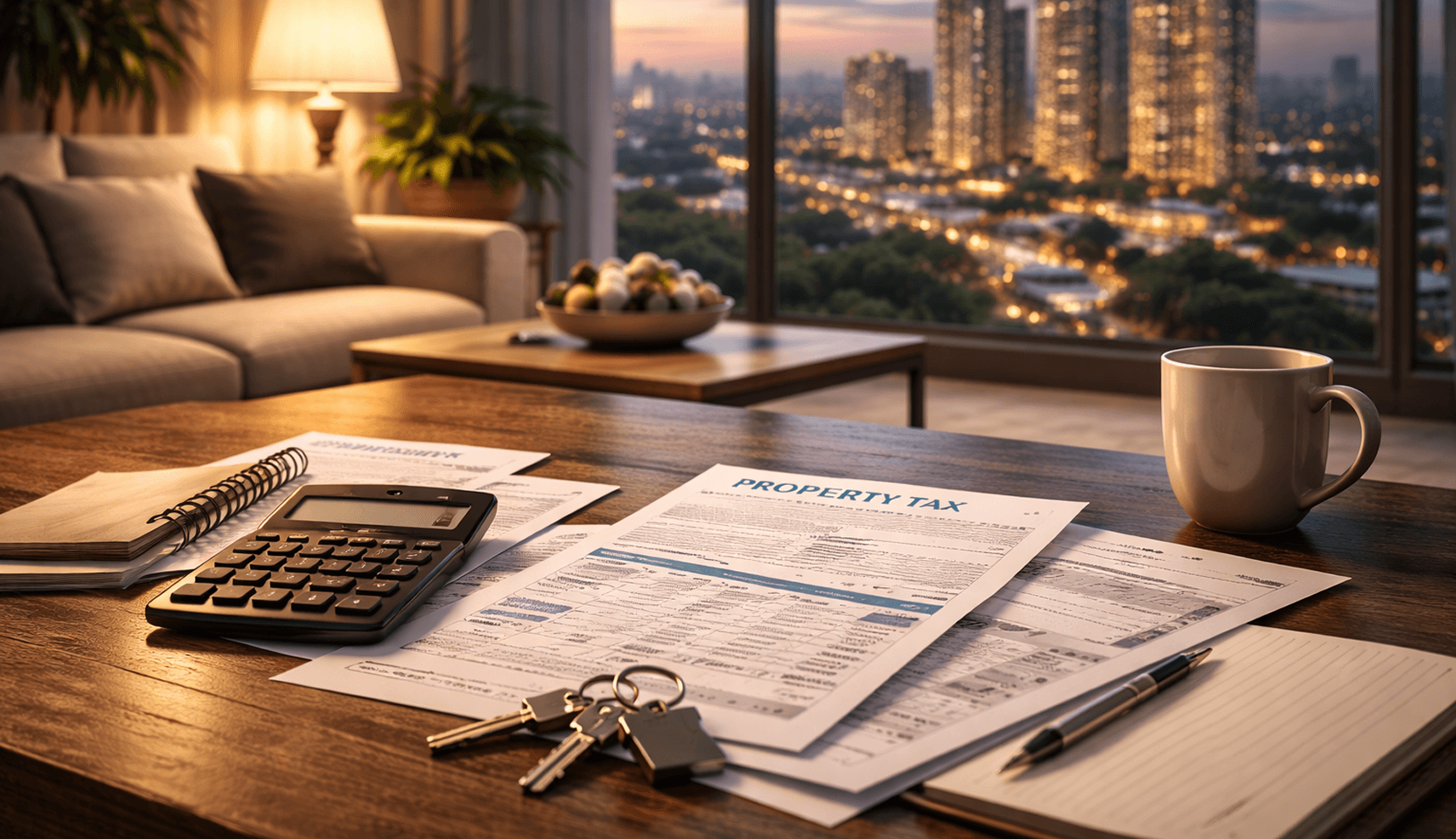
Property taxes are one of those homeownership expenses that feel manageable at first and then slowly grow year after year. Municipal reassessments, infrastructure upgrades, and rising property values often push annual taxes higher. A home taxed at ₹25,000 per year can easily cross ₹40,000 within a decade, and many homeowners never plan for that steady climb. The reality is, property taxes rarely go down for long.
Add HOA or society maintenance charges to the mix, and the numbers rise further. Monthly fees of ₹3,000 to ₹5,000 often increase by 8 to 10 percent annually, and special assessments can arrive without much warning. We have seen homeowners suddenly asked to contribute ₹1 to ₹2 lakh for lift replacements or structural repairs. A smart rule is to assume these costs will grow consistently and plan your maintenance budget with that future in mind.
Maintenance and Repairs
Ongoing maintenance is one of the most underestimated home costs, even in newly constructed homes. Plumbing leaks, electrical issues, waterproofing failures, and HVAC servicing all appear sooner than most buyers expect. In my experience, setting aside 1 to 2 percent of the property value annually for maintenance is realistic. For a ₹1 crore home, that means budgeting at least ₹1 lakh every year.
Appliance replacements add another layer of expense that catches homeowners off guard. Air conditioners, water heaters, and refrigerators typically need replacement every 8 to 10 years, with costs ranging from ₹30,000 to ₹60,000 per unit. Roof repairs, which many people never think about early on, can cost several lakhs after a decade or so. Planning for these expenses early makes property ownership far less stressful.
Utility Bills and Insurance Costs
Utilities are another area where expectations rarely match reality. When viewing a home, it is easy to underestimate electricity and water usage because the property is empty. Once daily life begins, monthly electricity bills can jump from ₹2,000 in a rental home to ₹6,000 or more in an owned property. Larger spaces, additional appliances, and seasonal usage all contribute to higher ongoing costs.
Homeowners insurance behaves similarly. Premiums increase due to inflation, revised risk assessments, or claims in your area. We have seen annual insurance costs rise from ₹8,000 to ₹15,000 within just a few years. Reviewing policies annually and maintaining a healthy emergency fund helps manage these homeowner expenses without panic.
Landscaping, Pest Control, and Day-to-Day Ownership Costs
Landscaping and pest control are rarely discussed seriously during the buying process, yet they play a critical role in preserving property value. Monthly gardening services often cost ₹2,000 to ₹4,000, while quarterly pest control averages ₹1,500 per visit. Over time, these costs add up more than most people expect. What most people don’t realize is that skipping preventive care often leads to much higher repair bills later.
In our experience, allocating around 0.5 percent of the property value annually for exterior and preventive upkeep works well. Termite treatment, drainage maintenance, and small exterior repairs protect the structure and avoid expensive future damage. A casual aside here, ignoring pests never saves money in the long run, even if it feels like an easy place to cut costs.
Closing Costs and the Emergency Funds
Many buyers believe closing costs end with stamp duty and registration, but that is rarely the full picture. Legal fees, inspection charges, society transfer costs, and initial furnishing expenses often add ₹2 to ₹3 lakh more within the first few months. These unexpected home costs arrive quickly and can strain finances if not planned for properly.
Emergency repairs are the final hidden expense nobody escapes. Burst pipes, electrical failures, and sudden appliance breakdowns tend to happen at inconvenient times. We recommend maintaining an emergency fund equal to six months of home-related expenses, usually ₹1.5 to ₹3 lakh for most homeowners. This fund transforms emergencies into manageable inconveniences instead of financial crises.
Final Thoughts
The hidden costs of owning a home are not meant to discourage anyone from buying property. The reality is, awareness creates confidence, and planning creates peace of mind. When you understand homeownership expenses like taxes, maintenance, utilities, and emergency repairs, you stay in control of your finances. Property ownership becomes far more enjoyable when surprises are minimized.
If you are preparing to buy your first home or already own one, take time to reassess your maintenance budget and emergency reserves. Small adjustments today can prevent years of financial strain later. Owning a home should feel empowering, and with the right preparation, it truly can be.